PCB Project
SPARK Karambit - 2026 Competition Demo
Summary
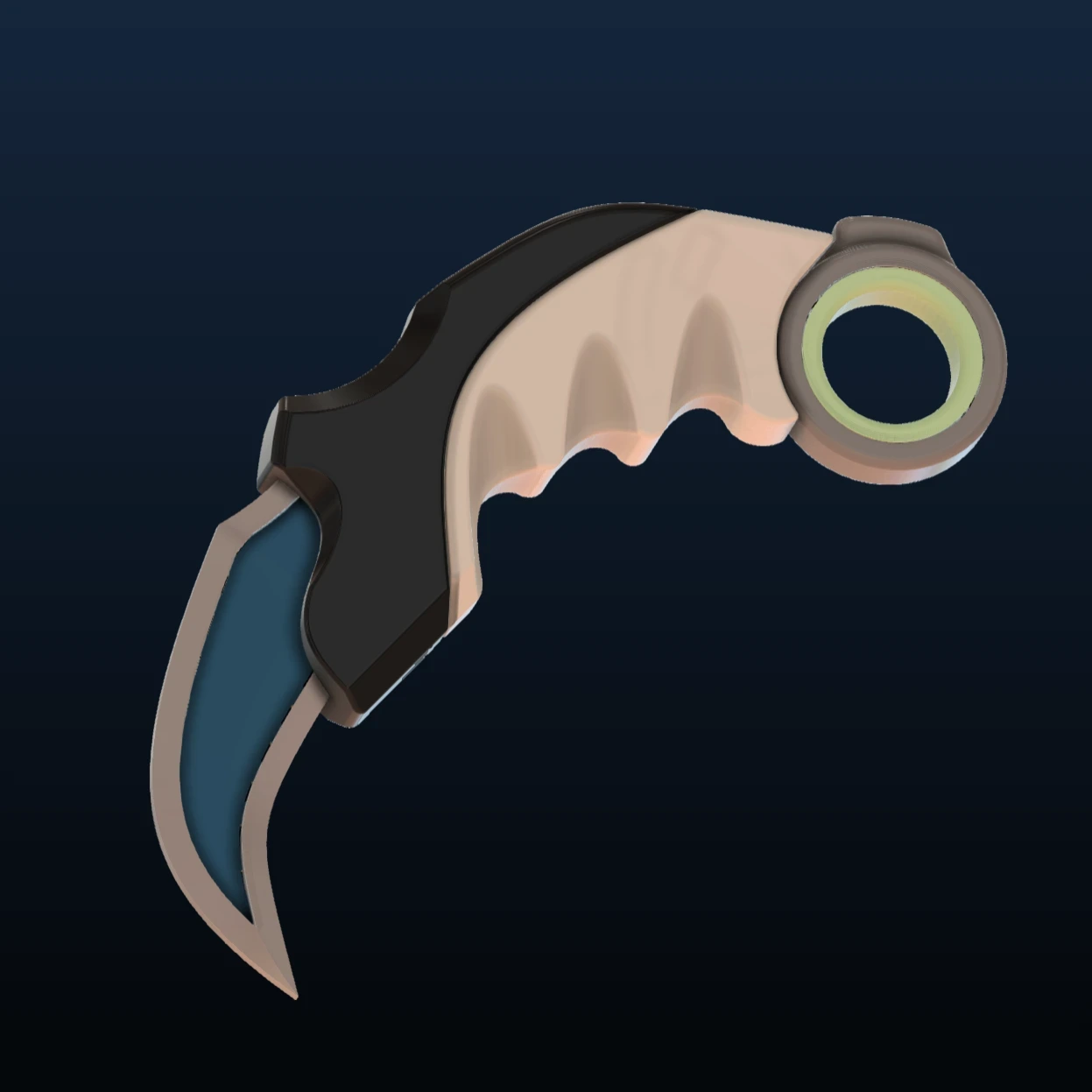
A karambit cosplay - like the ones seen in popular video games such as Counter Strike, Valorant, etc.
- Created
- 25th Jul, 2026
- Updated
- 4th Nov, 2026
- License
- Public Domain
- Source
- OSHWLab
Description
EasyEDA Karambit
Karambit is a small curved knife resembling a claw; it is Indonesian origin.
In the past couple of decades, its gained a lot of popularity from video games such as Counter Strike, Valorant, etc. So I wanted to make a karambit with LED lights which would glow up when the knife moves.
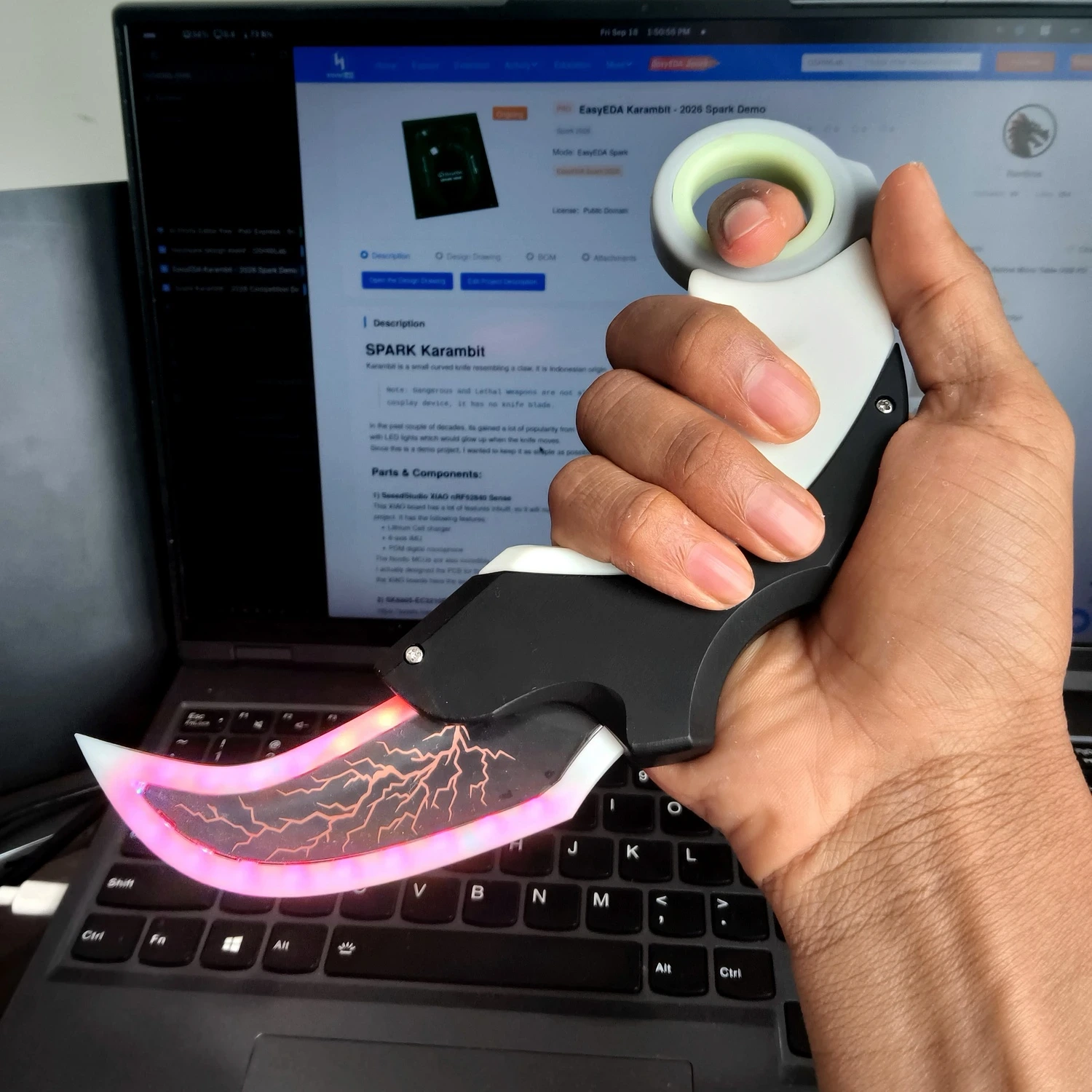
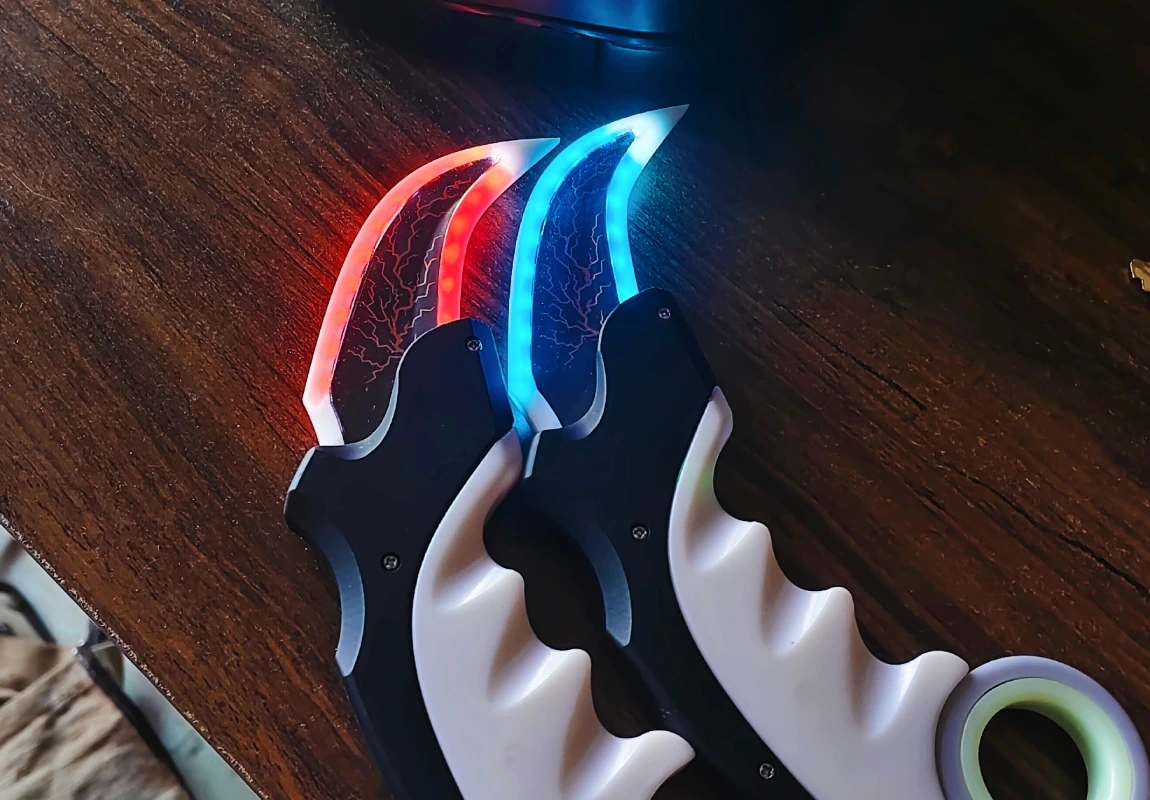
Note: Dangerous and Lethal Weapons are not allowed in OSHWLab. This project is only a cosplay device, it has no sharp blade.
Since this is a demo project, I wanted to keep it as simple as possible while also being functional and looking cool.
Parts & Components:
1) SeeedStudio XIAO nRF52840 Sense
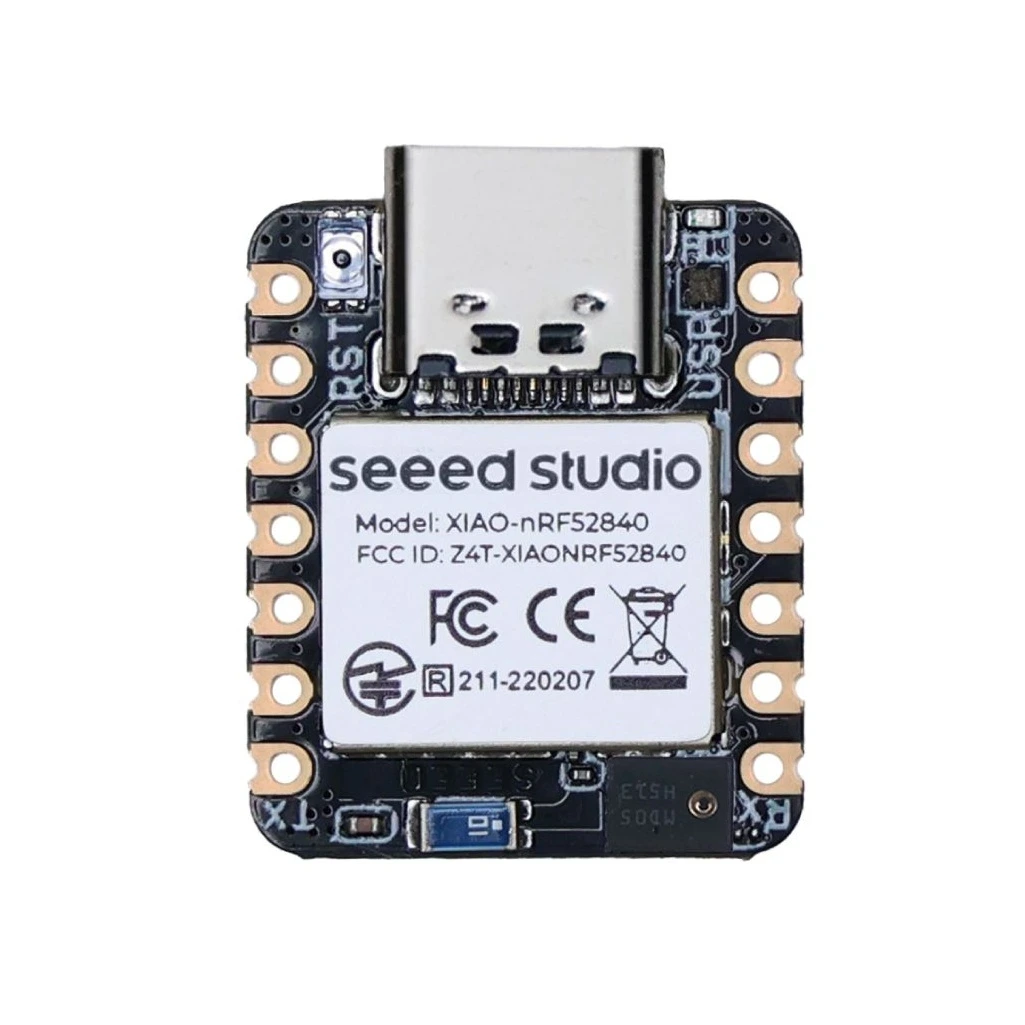
This XIAO board has a lot of features inbuilt, so it will make our PCB design very simple. And with its compact size, its a great dev board for our project. It has the following features.
- Lithium Cell charger
- 6-axis IMU
- PDM digital microphone
The Nordic MCUs are also incredibly power efficient with very low standby current, So the battery will be always connected; It will use the deep sleep feature instead of having a dedicated power switch.
I actually designed the PCB for the XIAO nRF54LM20A Sense; but unfortunately it was out of stock, so I had to use the NRF52840 version. Luckily all the XIAO boards have the same footprint.
2) SK6805-EC3210R LED
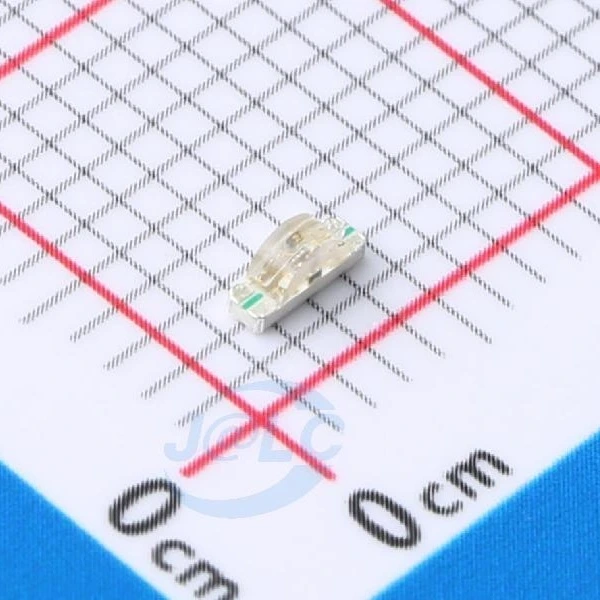
The SK6805 is an addressable RGB LED, it is side mount SMD device. These LEDs are arranged in the edge of the PCB, so that the light will shine on the edge of the Karambit.
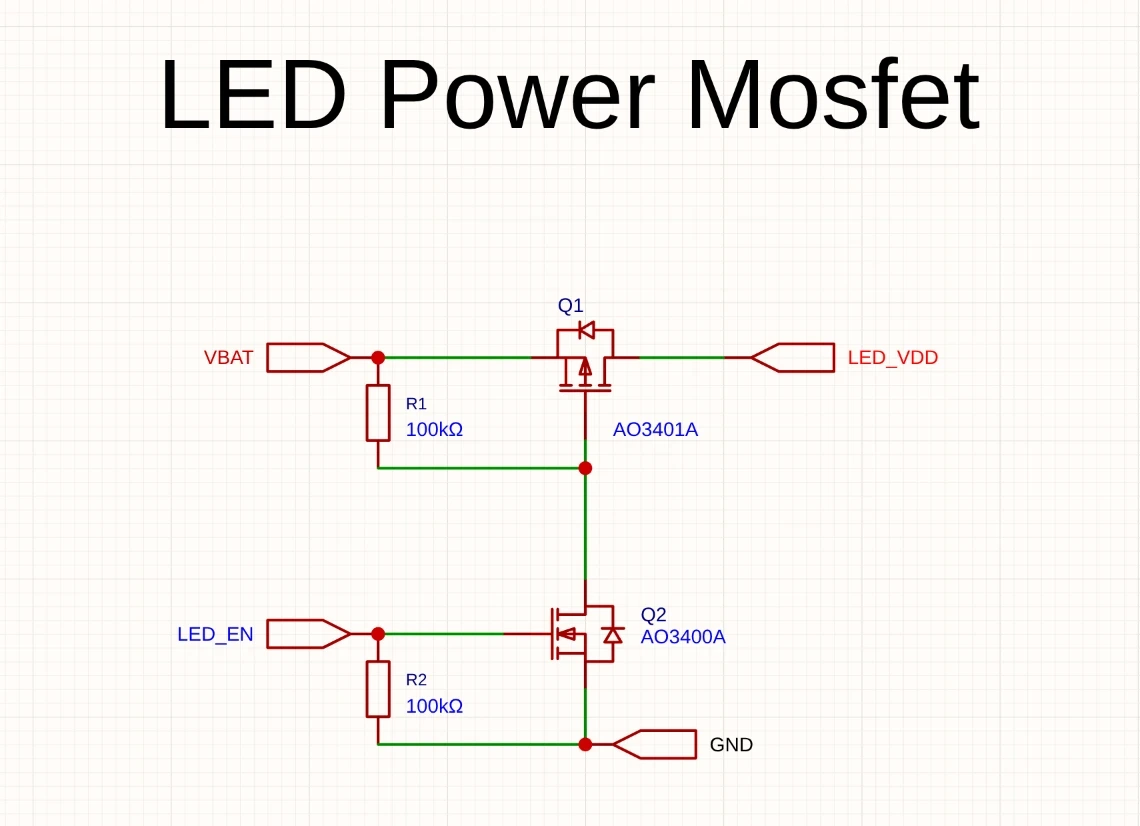
Addressable LEDs are usually power hungry, this one uses 0.25mA even at standby so I had to add a mosfet based switch for the LED power.
3) Lithium cell
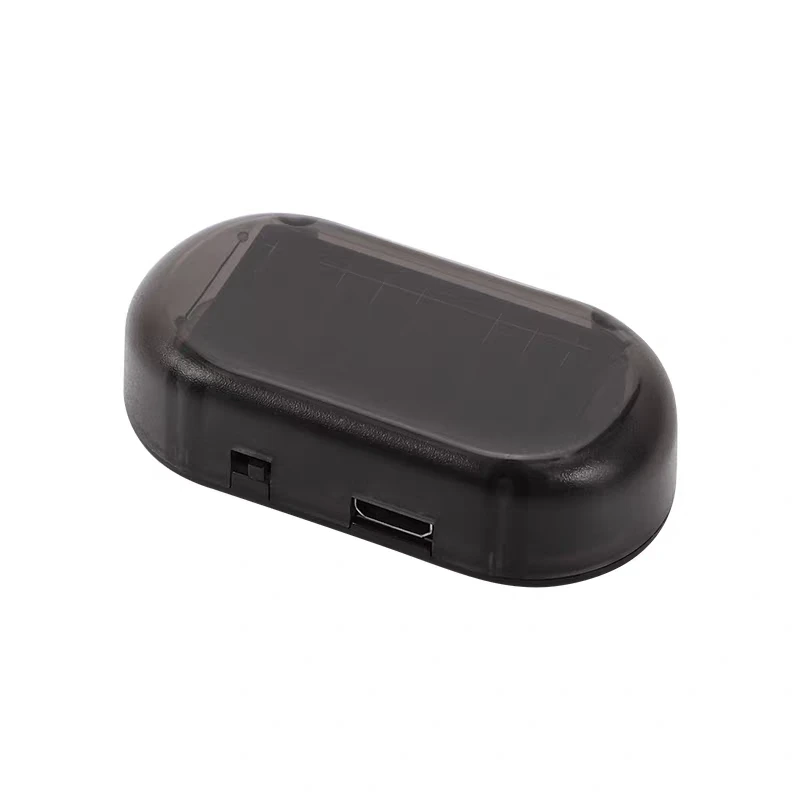
Nowadays, Lithium cells are hard to source in most countries. There are restrictions even for shipping them internationally.
Luckily you can get cheap Flash lights, LED blinkers easily, looks like they are not restricted. So I got this cheap Solar LED blinker and took out the battery.
4) 6706 Bearing
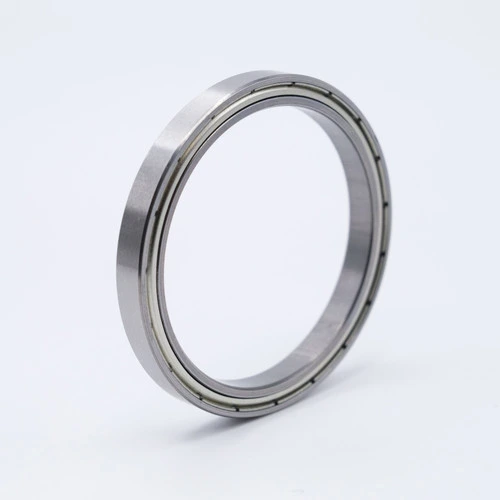
I used this bearing for the karambit ring. Most bearing come lubricated with grease, so it doesnt rotate freely. Since this bearing wont be seeing substantial loads anyway, I cleaned it with alcohol, now it rotates freely.
These were the important components.
Apart from that, I also used 3x M2 screws(12mm), Wires and some super glue.
Mechanical Design:
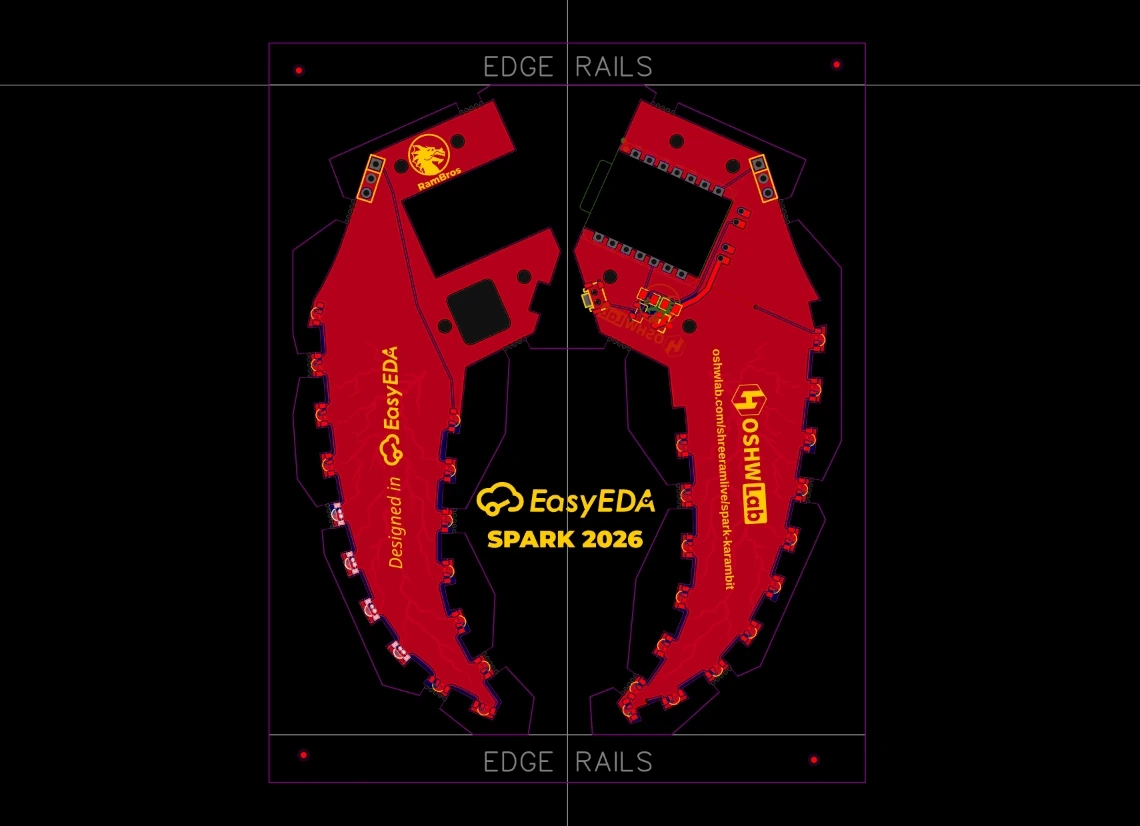
The Karambit was designed is Fusion 360, Then the board outline was exported as DXF and imported into EasyEDA.
PCB Design:
The circuit schematic is simple; The Xiao Board is directly connected to the battery, we make use of the low power modes of the NRF52/NRF54, thereby elimiating the need for a dedicated power path circuit. However, the Addressable LEDs are power hungry, so their LED power is controlled with a mosfet switch.
Two data signal lines are used for the addressable LEDs, one for each panel; 16 LEDs per panel.
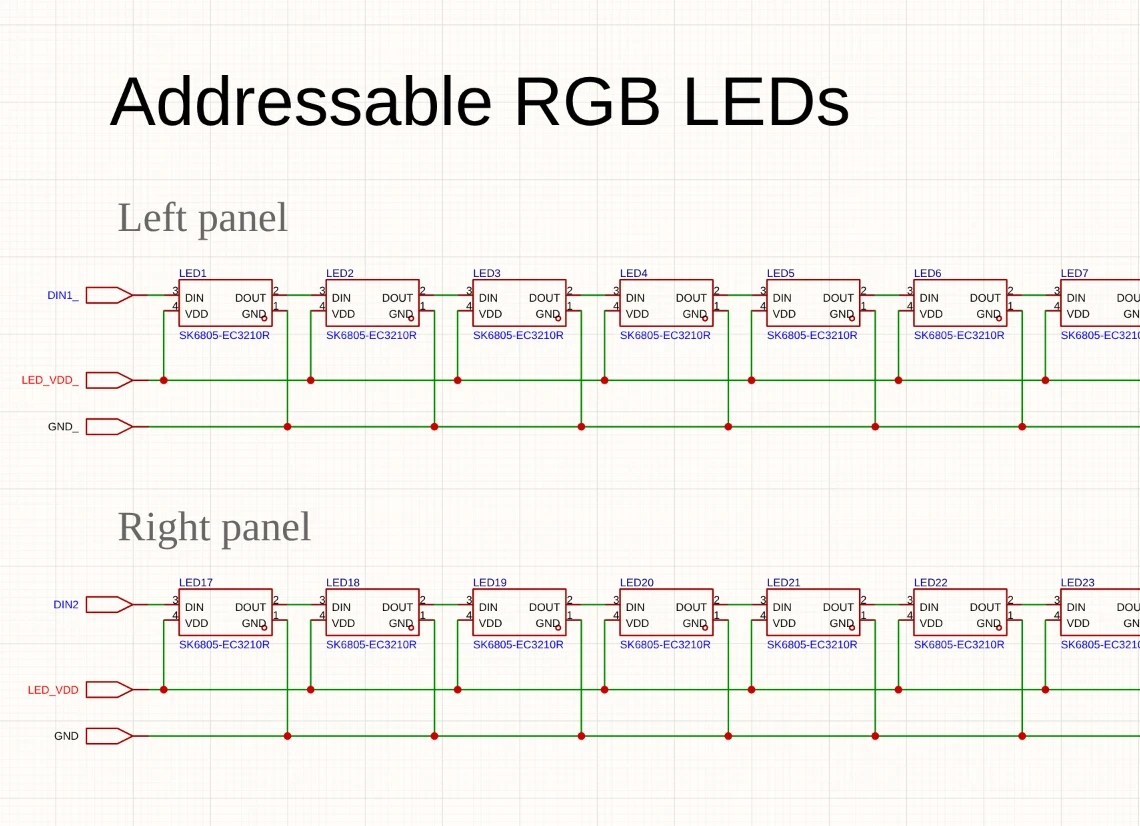
The two panels are electrically connected with a 3 pin header pads (VCC, GND, DATA). Thats how those set of LEDs get their power and signal.
Firmware:
The firmware is made with the Zephyr framework. The LEDs are dynamically lit up based on the IMU sensor data. Even the configuration is done with a combination of button and gesture.
The karambit goes to deep sleep after a period of inactivity, pressing the button will wake it up. I will be share on github, need to clear up some bugs and implement some additional features.

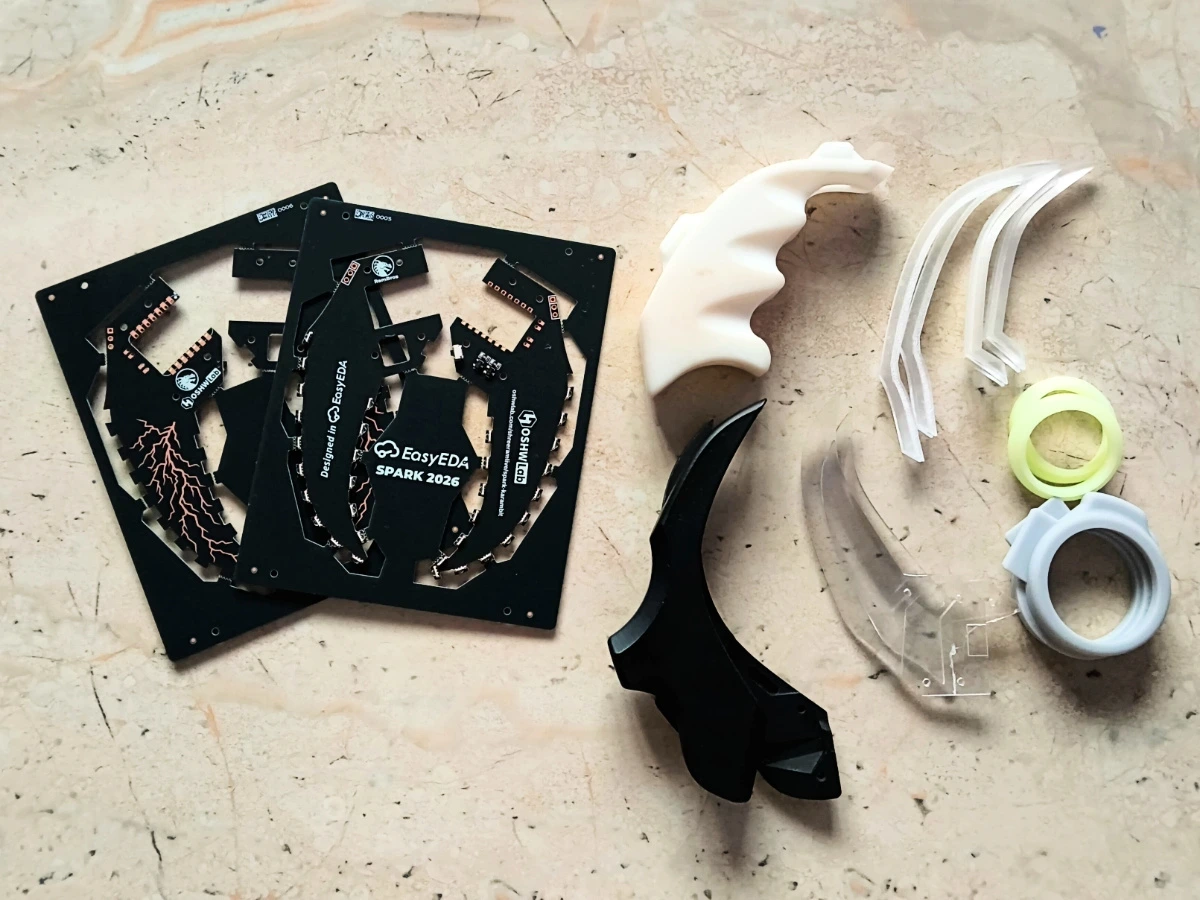
Spark Karambit was created as demo project for the 2026 Spark competition. I have created a video guide exlaining how to participate in this competition - Youtube Playlist
This project's PCB, PCBA & 3D printing service was sponsored by the OSHWLab Spark campaign.